
Chronic Back Pain Edinburgh Exercise Physiologist Specialist
Specialised DNS therapy for chronic lower back pain, sciatica, and back dysfunction that hasn't responded to standard physiotherapy.

Your back improved with NHS physio. You graduated. Then three weeks later—it's back. The same nagging pain, the same limitations, the same frustration.
You've done the core exercises, fixed your lifting technique, and strengthened your glutes. But your back still isn't right. It tolerates normal activity but flares up unpredictably, limiting what you can do.
If you've been through rounds of physio with temporary improvement but persistent underlying dysfunction, you're not lacking effort—you're dealing with neuromuscular patterns that standard 30-minute appointments can't adequately address.
I'm Tim Eslick, an Exercise Physiologist specialising in chronic back pain treatment in Edinburgh. I use Dynamic Neuromuscular Stabilisation (DNS) therapy to identify and treat the root causes of persistent back dysfunction.
Why Back Pain That "Got Better" Keeps Coming Back
Most Edinburgh physiotherapy appointments are 30 minutes and focus on exercise prescription for acute injuries. That's perfect for recent back injuries, post-surgical recovery, or simple muscle strains. But chronic back pain that keeps returning—especially in desk-based professionals—often needs an Exercise Physiologist who specialises in:
Biomechanical analysis of why your body developed compensation patterns.
Dynamic Neuromuscular Stabilisation (DNS) therapy to restore natural movement
90-minute initial assessments that identify what 30-minute physio evaluations miss
Post-physio specialisation for cases where traditional physiotherapy hasn't workedWhat Standard Physio Fixes (And What It Misses)
Standard physio protocols excel at:
Reducing acute inflammation
Improving basic range of motion
Strengthening weak muscles (glutes, core)
Teaching safe movement patterns
For acute back injuries, this works brilliantly.
The Exercise Physiologist Difference for Edinburgh Back Pain Sufferers
As an Exercise Physiologist using DNS therapy, I don't just give you exercises to do at home. I identify:
Deep fascial restrictions and biomechanical imbalances causing chronic back pain
Neuromuscular stability issues that keep triggering pain cycles
Compensation patterns developed from years of desk work
Root causes of why your pain keeps coming back after physio This is the difference between standard physio protocols and Exercise Physiology for chronic back pain in Edinburgh.
Common Chronic Back Pain Cases I Treat in Edinburgh:Lower Back Pain in Desk Workers
Pain that worsens after sitting (common in Edinburgh finance/tech professionals) - Morning stiffness that improves with movement but returns - Pain that came back after completing physio exercises
Recurring Back Pain: - Pain that keeps coming back despite multiple rounds of physio - "My scans are clear but I'm still in pain" - Compensation patterns from old injuries
Tech Neck-Related Back Pain: - Lower back pain linked to upper body posture - Full-body biomechanical imbalances - Pain that started gradually without a specific injury
How DNS Therapy Treats Chronic Back Pain Differently
Dynamic Neuromuscular Stabilisation addresses the neuromuscular patterns controlling spinal stability—not just strengthening individual muscles.
The DNS Approach to Back Dysfunction
90-Minute Initial Assessment
Extended time allows proper investigation:
Complete spinal and hip assessment - back pain often stems from hip mobility restrictions, pelvic asymmetry, or thoracic stiffness forcing your lower back to compensate.
Neuromuscular control testing - can your deep core stabilisers (transversus abdominis, diaphragm, pelvic floor, multifidus) coordinate properly? Do they activate in the right sequence? Do they fatigue quickly?
Breathing pattern evaluation - breath-holding during movement and chest breathing patterns compromise spinal stability. Most people don't realise this contributes to their back pain.
Load tolerance assessment - how does your back respond to progressively challenging positions and movements? Where does the control break down?
Hands-On Fascial Release and Mobilisation
Chronic back pain creates fascial restrictions throughout your posterior chain, hip flexors, and thoracic spine. These limit movement and force your lower back to compensate.
DNS treatment includes:
Lumbar and thoracic fascial release
Hip flexor (psoas, iliacus) fascial work
Gluteal and piriformis release
Spinal mobilisation appropriate to your presentation
Nerve mobilisation if sciatica is present
Most clients notice some immediate relief as we release restricted tissue and improve movement quality.
Core Integration and Stability Retraining
This is where DNS differs most from standard back pain treatment.
Rather than isolated core strengthening, DNS retrains the integrated patterns your nervous system uses to stabilise your spine:
Proper breathing mechanics - your diaphragm is part of your core stability system
Intra-abdominal pressure regulation - how your body creates stiffness to protect your spine
Developmental position training - using positions from infant development to retrain natural stability patterns
Progressive load tolerance - building capacity under real-world demands, not just isolated exercises
Common Chronic Back Conditions I Treat in Edinburgh
Recurrent Lower Back Pain
Symptoms: Back pain that improves with treatment but returns weeks or months later. Often triggered by activities that "shouldn't" cause problems—bending to tie shoes, reaching for something, sitting too long.
Root causes: Neuromuscular control deficits, breathing dysfunction, hip mobility restrictions, or movement asymmetries that weren't addressed during initial treatment.
DNS approach: Identifying why your back keeps breaking down. Testing stability under fatigue, asymmetrical loads, and real-world movement patterns to find the weak link.
Timeline: 6-10 sessions depending on chronicity.
Post-Physio Cases That Plateaued
Symptoms: You completed NHS physio, were discharged as "improved," but still have limitations. You can't lift what you used to, certain movements create discomfort, or you fear re-injury.
Root causes: You've reached the limit of what exercise prescription alone can achieve. You have adequate strength on isolated tests but lack functional integration under load.
DNS approach: Testing your back under progressively challenging conditions to identify remaining control deficits. Retraining the patterns standard exercises missed.
Timeline: 4-8 sessions.
Sciatica and Leg Pain
Symptoms: Lower back pain plus pain, tingling, or numbness radiating into buttock, leg, or foot. Often worse with sitting, bending forward, or prolonged standing.
Important: Requires thorough assessment to rule out serious nerve compression. I'll refer for imaging if red flags are present.
DNS approach: If imaging clears serious pathology, treatment focuses on reducing nerve irritation through fascial release, improving spinal mechanics, and addressing muscle tension compressing nerves (often piriformis).
Timeline: 6-10 sessions.
Chronic Lower Back Stiffness
Symptoms: Back feels locked up, especially first thing in morning. Takes 10-15 minutes to loosen up. Limited ability to bend forward or rotate.
Root causes: Fascial restrictions, joint stiffness, and protective muscle guarding from chronic dysfunction. Often combined with poor hip mobility forcing your lower back to compensate.
DNS approach: Extensive fascial work, spinal and hip mobilisation, breathing retraining. Most clients notice immediate improvement in movement quality.
Timeline: 4-8 sessions.
Non-Specific Lower Back Pain (No Clear Diagnosis)
Symptoms: Persistent back pain but scans show nothing significant. You've been told it's "mechanical" or "muscular" but exercises haven't fixed it.
Root causes: This is often neuromuscular dysfunction—your stability system isn't working properly even though structure looks fine on imaging.
DNS approach: Detailed neuromuscular control assessment to identify the specific stability deficits. This is where DNS shines—finding dysfunction that doesn't show on scans.
Timeline: 6-10 sessions.
What to Expect: Your Back Treatment Journey
Initial Assessment (90 Minutes)
Comprehensive assessment including:
Complete pain history and previous treatments
Spinal and hip movement testing
Neuromuscular control evaluation (core stability under load)
Breathing pattern assessment
Postural and biomechanical analysis
Initial hands-on treatment (fascial release, mobilisation)
Clear treatment plan with realistic timeline
Most clients leave understanding why their back hasn't stayed better and what needs to change.
Ongoing Treatment
60-Minute Sessions: Comprehensive treatment including progressive fascial work, core stability retraining, load tolerance building. Ideal for chronic cases.
30-Minute Focused Sessions: Targeted treatment for maintenance or acute flare-ups.
Typical frequency:
Weeks 1-4: Weekly
Weeks 5-8: Fortnightly as stability improves
Maintenance or discharge when function is restored
Why Choose Relief and Restore for Back Pain in Edinburgh
DNS Specialisation: Advanced Prague School certification. DNS is uniquely effective for chronic back pain because it addresses the neuromuscular control patterns that create spinal instability—not just strengthening muscles in isolation.
Post-Physio Expertise: Extensive experience with clients who've completed NHS or private physio but need further treatment. I understand what standard protocols achieve and what they miss.
Extended Assessment Time: 90-minute initial appointments properly identify the neuromuscular control deficits that cause your back to keep breaking down.
Clinic + Home Visits: Based at Phoenix Fitness (EH1 3QN) in central Edinburgh. Home visits available throughout the city.
Weekend Availability: Saturday and Sunday appointments for busy schedules.
Free Consultation: 15-minute phone consultation before you commit. Honest discussion about whether I can help your specific back problem.
Serving Edinburgh and Surrounding Areas
Located at Phoenix Fitness, Edinburgh EH1 3QN:
Easy access from:
New Town (5-minute walk)
Stockbridge (10 minutes)
Leith (15 minutes)
Morningside (20 minutes)
Bruntsfield (15 minutes)
Home visits throughout Edinburgh. Weekend appointments available.
Ready to Stop the Cycle of Recurring Back Pain?
If you've been through physio with temporary improvement but your back keeps breaking down, I offer a free 15-minute phone consultation.
We'll discuss:
What you've already tried
Why your back keeps relapsing
Whether DNS therapy is appropriate for your back problem
Realistic expectations for improvement
60-Minute Session
Targeted Relief & Progressive Healing
Building on your initial assessment, this comprehensive treatment session focuses on advancing your recovery. This 60-minute home visit includes:
Ideal for: Returning clients requiring sustained, treatment to break through chronic patterns that haven't responded to exercise-only approaches. Also ideal for chronic pain sufferers, or those seeking significant relief and body rebalancing across multiple sessions.

30-Minute Focused Treatment Session
Quick Relief for Active Treatment Plans
A concentrated session perfect for maintaining progress or targeting specific problem areas. This efficient 30-minute home visit includes:
Ideal for: Returning clients maintaining momentum between full treatments, busy schedules requiring quick but effective intervention, or addressing acute flare-ups when you know exactly what needs attention.
Testimonials

Russell McDonald
BHMS(Ed(Hons) B.Phty(Hons)
Director/Physiotherapist- Range of Motion Physiotherapy, Sunshine Coast, Australia.
“Tim has consistently displayed a deep and thorough understanding of his professional training whilst with us. His experience dealing with complex cases and his passion for biomechanics is a major strength. Tim has worked independently with clients along with working collaboratively with other treating staff to ensure a co-ordinated treatment approach”

MEDHEALTH- WORKFOCUS AUSTRALIA
“Timothy Eslick was employed at MedHealth - WorkFocus Australia Pty Ltd in the position of Rehabilitation Consultant in our Rehabilitation and Health Services, Personal Injury Division on a Full-Time basis located in New South Wales”

Chris Kehlar- Sunshine Coast Australia
“We have had the pleasure of knowing Tim Eslick in the capacity of Chris's Exercise Psychologist since October 2024.
We were particular in who we chose to engage to work with Chris as her Exercise Physiologist due to her brain injury (stroke), ongoing epileptic seizures and her right-side limitation.
Tim has always presented himself as a skillful, dedicated and caring professional with a focus on client health well-being and neurological development.
Tim delivers each and every session in a kind and compassionate manner and has the ability and intuition to know how far to push Chris in each session to maximise her ability without pushing her too far.
During the time Chris has been under the guidance of Tim there has been a significant and amazing improvement in Chris's physical and mental functionality. Based on measured criteria, Chris achieved in a number of areas a 50% improvement. This is incredible given the time-frame spent with Tim. Not only has Chris's physical and mental conditions improved but there has been a noticeable improvement in Chris's general happiness and engagement in life. Chris's journey will continue to improve thanks to Tim.”
📍 Edinburgh Chronic Pain Clinic | Based at Phoenix Fitness, EH1 3QN | Serving Edinburgh + 10 miles| Weekends Flexible 🏠 Home visits available | ☎️ Free 15-min consultation
Conveniently located in Edinburgh city centre with easy access from New Town, Leith, Stockbridge, and Morningside. Our Edinburgh clinic serves clients throughout the city.
Common Questions From People Who've Tried Other Treatments
-
Most physio appointments are 30 minutes and focus on exercises. Our initial assessment is 90 minutes, allowing us to identify compensation patterns that shorter evaluations miss. We use hands-on neuromuscular techniques to treat root causes, not just manage symptoms.
-
We specialise in complex cases that haven't responded to standard treatment. Most clients see improvement within 4-6 sessions, though timelines vary. We'll honestly tell you during your free consultation or initial assessment if we think we can help.
-
It depends on how long you've had the pain and what's causing it. Typical ranges: 2-4 sessions for acute flare-ups, 6-8 for moderate chronic pain (3-12 months), 8-12 for long-standing issues. We'll give you a realistic estimate after your initial assessment.
-
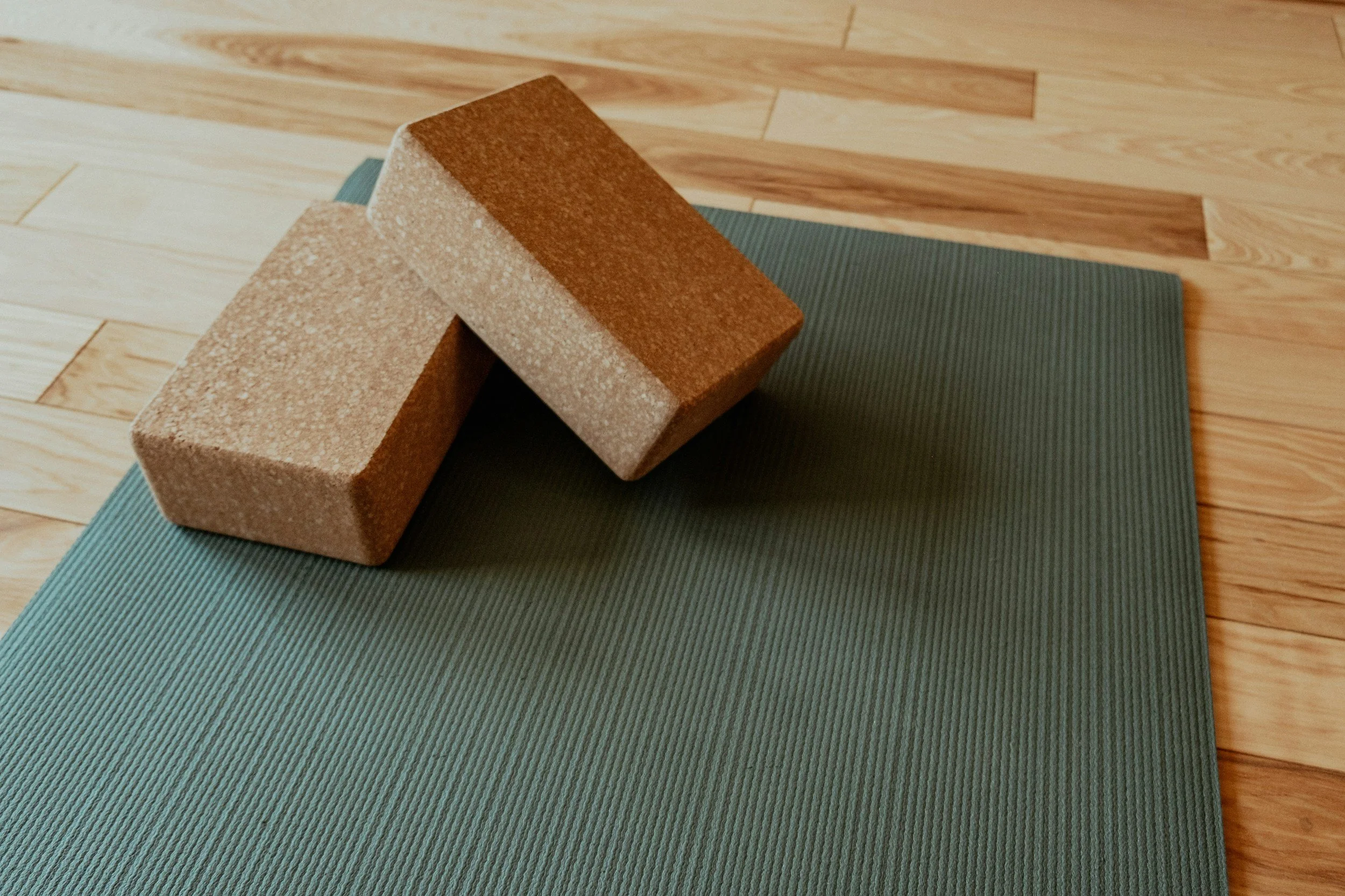
About 2 metres by 1.5 metres—roughly the size of a yoga mat. Living rooms, bedrooms, or spare rooms work perfectly. We bring all equipment including a treatment mat.
-
None. We bring everything required. Just wear comfortable clothing you can move in (shorts/leggings and a t-shirt) and have water nearby.
-
Many clients feel some relief during the first session. Noticeable improvement typically comes within 1-2 sessions, with significant change by 4-6 sessions. Chronic pain takes time to resolve—we'll give you a realistic timeline after your assessment.
Ready to Try Something Different?
If you're frustrated with your progress and wondering if there's another option, we offer a free 15-minute phone consultation to discuss your case.
We'll honestly discuss if I think I can help—and if we're not the right fit, I'll point you in the right direction.
No pressure. No obligation. Just a conversation about where you are and what's possible.
Contact
Interested in working together? Fill out some info and we will be in touch shortly. We can’t wait to hear from you!