

Chronic Knee Pain Edinburgh: When Your Back Pain Keeps Returning
Specialised DNS therapy for knee pain, dysfunction that hasn't responded to standard physiotherapy.
📍 Edinburgh Chronic Pain Clinic | Based at Phoenix Fitness, EH1 3QN | Serving Edinburgh + 10 miles" | Weekends Flexible 🏠 Home visits available | ☎️ Free 15-min consultation
Conveniently located in Edinburgh city centre with easy access from New Town, Leith, Stockbridge, and Morningside. Our Edinburgh clinic serves clients throughout the city.
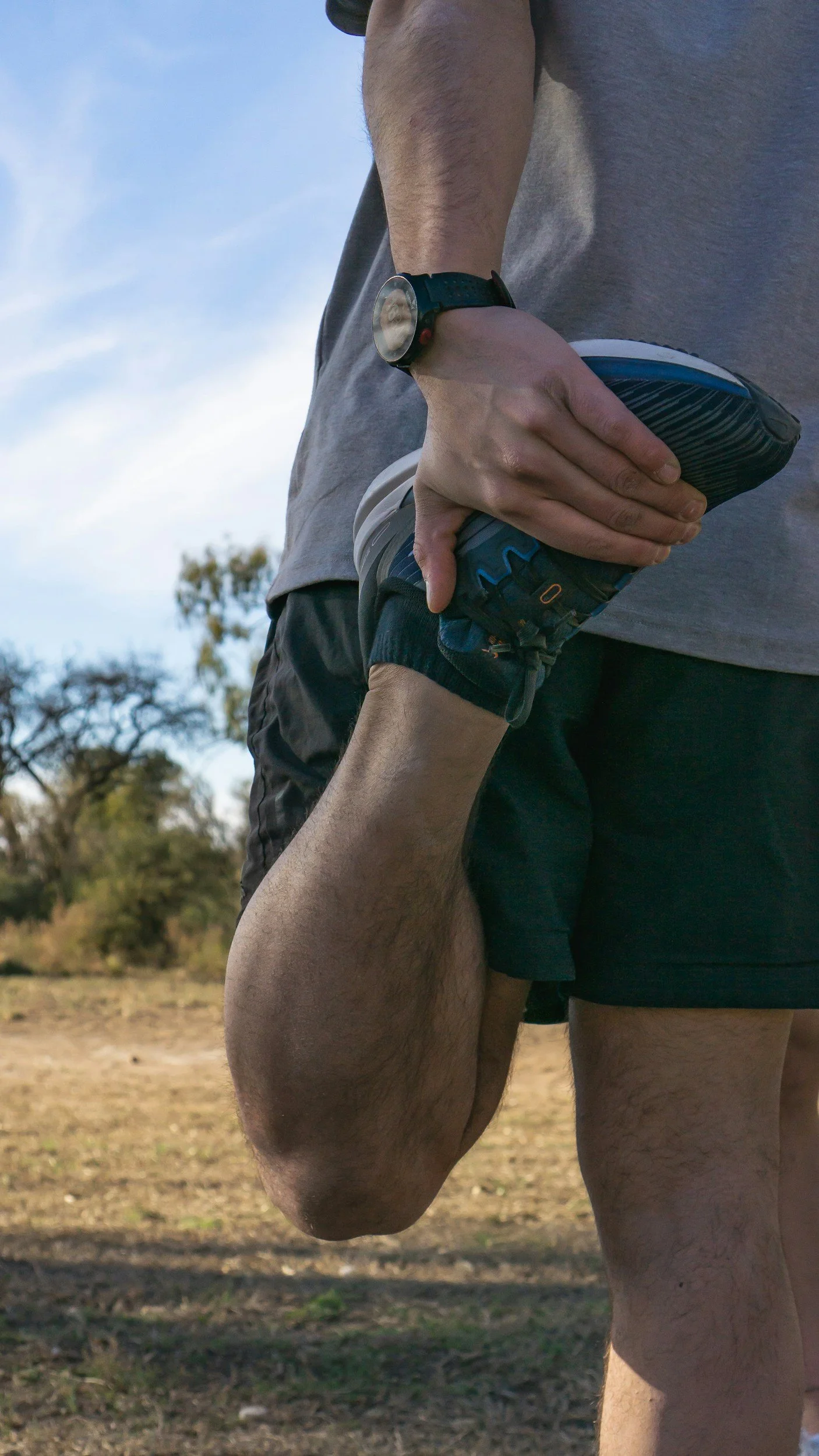
Your knee started bothering you months ago—nothing dramatic, just a persistent ache after activity. You rested, did quad strengthening, worked on your VMO activation. The pain improved slightly but never fully resolved.
Now it's limiting your walking, making stairs uncomfortable, and creating doubt every time you need to kneel or squat. You're frustrated because you've done everything right, yet your knee still isn't back to normal.
Chronic knee pain that persists despite exercise and rest isn't about lacking effort—it's about compensation patterns in your hip and ankle that force your knee to absorb excessive load, and neuromuscular control deficits that 30-minute physio appointments can't adequately address.
I'm Tim Eslick, an Exercise Physiologist specialising in chronic knee pain treatment in Edinburgh. I use Dynamic Neuromuscular Stabilisation (DNS) therapy to identify and treat the root causes of persistent knee dysfunction.
Why Knee Pain Keeps Coming Back (And Why It's Often Not Your Knee)
Here's what most people don't realise about chronic knee pain:
Your knee is usually the victim, not the cause.
The knee is a hinge joint caught between your hip and ankle. When your hip lacks proper control or your ankle lacks mobility, your knee compensates—twisting, absorbing excessive load, and moving in ways it wasn't designed for.
This is why standard knee-focused treatment often provides temporary improvement but doesn't resolve the underlying issue.
The Quad Strengthening That Doesn't Work
You've done endless straight leg raises, quad sets, and terminal knee extensions. Your quadriceps test strong. But your knee still hurts during functional movements like:
Walking downhill
Descending stairs
Standing from sitting
Squatting or kneeling
Why? Because isolated quad strengthening doesn't address:
Poor hip control allowing your femur to rotate inward during movement
Ankle stiffness forcing your knee to compensate during weight-bearing
Core stability deficits affecting your whole-body movement patterns
The timing and coordination of muscle activation during functional tasks
These integration issues cause your knee pain—and standard 30-minute appointments don't have time to assess them properly.
What Standard Physio Addresses (And What Gets Missed)
Standard knee physio typically includes:
Quad and VMO strengthening
Hamstring stretching
Patellar mobilisation
Balance exercises
Ice and activity modification
This works well for many acute knee injuries.
What gets missed:
How your hip controls your femur position during single-leg stance
Whether your ankle dorsiflexion restriction is forcing your knee to compensate
Asymmetrical movement patterns between your left and right legs
Core stability affecting your whole kinetic chain
Foot mechanics influencing knee loading patterns
Chronic knee pain almost always involves dysfunction above (hip) or below (ankle/foot) the knee joint itself.
How DNS Therapy Treats Chronic Knee Pain Differently
Dynamic Neuromuscular Stabilisation treats knee pain by assessing your complete kinetic chain—not just the knee in isolation.
The DNS Approach to Knee Dysfunction
90-Minute Initial Assessment
Extended assessment allows proper investigation of the whole system:
Hip control evaluation - can your hip stabilise your femur during single-leg activities? Does your knee collapse inward because your hip lacks control?
Ankle mobility assessment - restricted ankle dorsiflexion forces your knee into compensatory patterns during squatting, stairs, and walking.
Gait and movement analysis - how does your knee track during walking, stairs, single-leg stance? Where does control break down?
Kinetic chain testing - examining everything from your foot to your hip to understand why your knee is absorbing excessive load.
Patellar tracking assessment - how does your kneecap move during knee flexion/extension? Is maltracking creating pain?
Hands-On Treatment and Mobilisation
DNS treatment for knee pain addresses the whole kinetic chain:
Patellar mobilisation for tracking issues
Quadriceps and hamstring fascial release
IT band and TFL release (often very restricted in chronic knee pain)
Hip mobilisation and glute activation
Ankle dorsiflexion mobilisation
Foot and arch mechanics assessment
Most clients notice improved knee movement and reduced pain during the first session as we release restricted tissue and improve joint mechanics.
Neuromuscular Re-Education
This is the DNS difference for knee pain:
Rather than isolated quad strengthening, DNS retrains the integrated control patterns protecting your knee:
Hip stability during single-leg stance - preventing femoral internal rotation that stresses the knee
Kinetic chain coordination - proper sequencing of hip, knee, and ankle movement
Core integration - connecting knee stability to whole-body control patterns
Load progression - building knee capacity under progressively challenging real-world demands
Common Chronic Knee Conditions I Treat in Edinburgh
Patellofemoral Pain Syndrome (PFPS) / Runner's Knee
Symptoms: Pain around or behind kneecap. Worse with stairs (especially descending), squatting, prolonged sitting, or after activity. Often described as aching or sharp catching pain.
Root causes: Poor patellar tracking from weak hip control, tight IT band, quad/VMO imbalance, or ankle stiffness forcing compensatory knee movement.
DNS approach: Identifying why your kneecap isn't tracking properly. Often involves hip strengthening, IT band release, and retraining movement patterns to reduce patellofemoral compression.
Timeline: 6-10 sessions.
Post-Injury Knee Pain That Won't Fully Resolve
Symptoms: Knee improved after initial injury (ACL, meniscus, ligament sprain) but never returned to 100%. Residual pain, clicking, instability, or fear of re-injury.
Root causes: Post-injury compensation patterns that persist even after tissue heals. Loss of neuromuscular control that standard rehab didn't fully restore.
DNS approach: Testing knee stability under progressively challenging conditions. Identifying remaining control deficits and retraining patterns standard exercises missed.
Timeline: 6-10 sessions.
Knee Pain Without Clear Diagnosis
Symptoms: Persistent knee pain but scans show nothing significant. You've been told it's "mild arthritis" or "wear and tear" but you're too young for that to make sense.
Root causes: Often neuromuscular dysfunction or kinetic chain issues creating excessive knee loading. Structure looks fine on imaging, but movement patterns are dysfunctional.
DNS approach: Detailed movement analysis to identify the specific control deficits. This is where DNS excels—finding dysfunction that doesn't show on scans.
Timeline: 6-10 sessions.
Knee Pain From Walking/Running
Symptoms: Knee feels fine at rest but develops pain during or after walking/running. Often anterior knee pain or medial/lateral knee discomfort.
Root causes: Poor gait mechanics, hip control deficits allowing excessive femoral rotation, or ankle restrictions forcing compensatory knee movement.
DNS approach: Detailed gait analysis. Identifying asymmetries and compensation patterns. Retraining proper knee loading during walking/running.
Timeline: 6-10 sessions.
IT Band Syndrome / Lateral Knee Pain
Symptoms: Pain on outside of knee, especially during running or descending hills/stairs. IT band feels tight despite constant stretching.
Root causes: Weak hip abductors allowing hip drop during single-leg stance, creating excessive IT band tension and friction at the knee.
DNS approach: Hip strengthening and control retraining (particularly glute med/min), IT band fascial release, correcting gait patterns creating excessive tension.
Timeline: 4-8 sessions.
Why Choose Relief and Restore for Knee Pain in Edinburgh
DNS Specialisation: Advanced Prague School certification. DNS is uniquely effective for knee pain because it addresses the hip and ankle dysfunction creating excessive knee loading—not just strengthening the knee in isolation.
Kinetic Chain Expertise: Thorough assessment of your hip, knee, ankle, and foot to identify the root cause. Most knee pain stems from dysfunction elsewhere in the chain.
Extended Assessment Time: 90-minute initial appointments properly identify the movement patterns and control deficits that short appointments miss.
Gait Analysis: Detailed assessment of how you walk and load your knee during functional movement. Essential for resolving chronic knee pain.
Clinic + Home Visits: Based at Phoenix Fitness (EH1 3QN) in central Edinburgh. Home visits available throughout the city.
Weekend Availability: Saturday and Sunday appointments.
Free Consultation: 15-minute phone consultation before you commit. Honest discussion about whether I can help your specific knee problem.
60-Minute Session
Targeted Relief & Progressive Healing
Building on your initial assessment, this comprehensive treatment session focuses on advancing your recovery. This 60-minute home visit includes:
Ideal for: Returning clients requiring sustained, treatment to break through chronic patterns that haven't responded to exercise-only approaches. Also ideal for chronic pain sufferers, or those seeking significant relief and body rebalancing across multiple sessions.

30-Minute Focused Treatment Session
Quick Relief for Active Treatment Plans
A concentrated session perfect for maintaining progress or targeting specific problem areas. This efficient 30-minute home visit includes:
Ideal for: Returning clients maintaining momentum between full treatments, busy schedules requiring quick but effective intervention, or addressing acute flare-ups when you know exactly what needs attention.
Testimonials
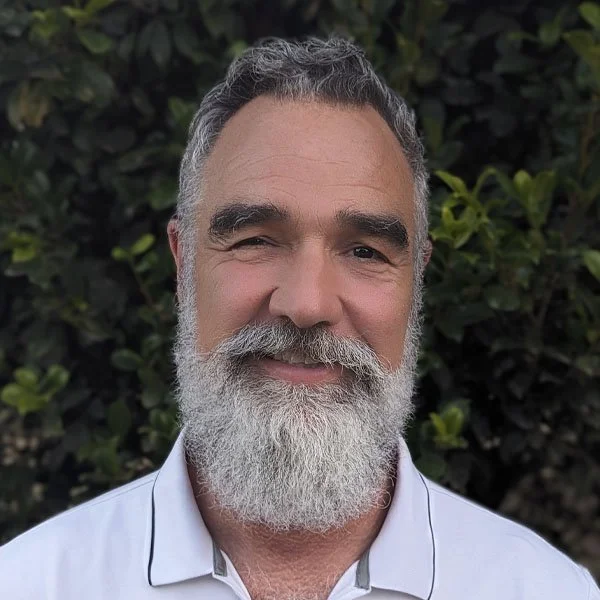
Russell McDonald
BHMS(Ed(Hons) B.Phty(Hons)
Director/Physiotherapist- Range of Motion Physiotherapy, Sunshine Coast, Australia.
“Tim has consistently displayed a deep and thorough understanding of his professional training whilst with us. His experience dealing with complex cases and his passion for biomechanics is a major strength. Tim has worked independently with clients along with working collaboratively with other treating staff to ensure a co-ordinated treatment approach”

MEDHEALTH- WORKFOCUS AUSTRALIA
“Timothy Eslick was employed at MedHealth - WorkFocus Australia Pty Ltd in the position of Rehabilitation Consultant in our Rehabilitation and Health Services, Personal Injury Division on a Full-Time basis located in New South Wales”

Chris Kehlar- Sunshine Coast Australia
“We have had the pleasure of knowing Tim Eslick in the capacity of Chris's Exercise Psychologist since October 2024.
We were particular in who we chose to engage to work with Chris as her Exercise Physiologist due to her brain injury (stroke), ongoing epileptic seizures and her right-side limitation.
Tim has always presented himself as a skillful, dedicated and caring professional with a focus on client health well-being and neurological development.
Tim delivers each and every session in a kind and compassionate manner and has the ability and intuition to know how far to push Chris in each session to maximise her ability without pushing her too far.
During the time Chris has been under the guidance of Tim there has been a significant and amazing improvement in Chris's physical and mental functionality. Based on measured criteria, Chris achieved in a number of areas a 50% improvement. This is incredible given the time-frame spent with Tim. Not only has Chris's physical and mental conditions improved but there has been a noticeable improvement in Chris's general happiness and engagement in life. Chris's journey will continue to improve thanks to Tim.”
Common Questions From People Who've Tried Other Treatments
-
Most physio appointments are 30 minutes and focus on exercises. Our initial assessment is 90 minutes, allowing us to identify compensation patterns that shorter evaluations miss. We use hands-on neuromuscular techniques to treat root causes, not just manage symptoms.
-
We specialise in complex cases that haven't responded to standard treatment. Most clients see improvement within 4-6 sessions, though timelines vary. We'll honestly tell you during your free consultation or initial assessment if we think we can help.
-
It depends on how long you've had the pain and what's causing it. Typical ranges: 2-4 sessions for acute flare-ups, 6-8 for moderate chronic pain (3-12 months), 8-12 for long-standing issues. We'll give you a realistic estimate after your initial assessment.
-
About 2 metres by 1.5 metres—roughly the size of a yoga mat. Living rooms, bedrooms, or spare rooms work perfectly. We bring all equipment including a treatment mat.
-
None. We bring everything required. Just wear comfortable clothing you can move in (shorts/leggings and a t-shirt) and have water nearby.
-
Many clients feel some relief during the first session. Noticeable improvement typically comes within 1-2 sessions, with significant change by 4-6 sessions. Chronic pain takes time to resolve—we'll give you a realistic timeline after your assessment.
Ready to Try Something Different?
If you're frustrated with your progress and wondering if there's another option, we offer a free 15-minute phone consultation to discuss your case.
We'll honestly discuss if I think I can help—and if we're not the right fit, I'll point you in the right direction.
No pressure. No obligation. Just a conversation about where you are and what's possible.
Contact
Interested in working together? Fill out some info and we will be in touch shortly. We can’t wait to hear from you!